
Affidavit Evidence remains one of the most important instruments in legal practice and documentation. In legal proceedings, an affidavit that is not challenged or properly controverted may be deemed admitted or abandoned in part by the opposing party. This is why legal practitioners often respond carefully through a Counter Affidavit, addressing issues seriatim and clearly indicating which facts are admitted or denied.
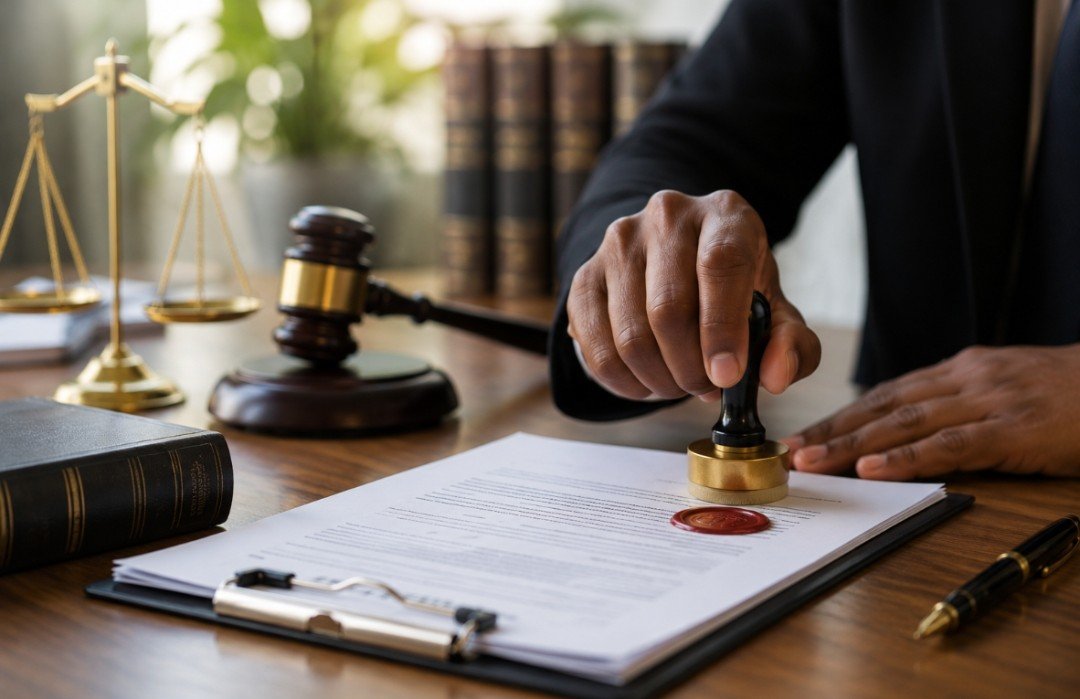
Beyond its role in defence procedures, Affidavit Evidence serves broader legal and administrative purposes. It functions as a formal declaration of facts made under oath by a deponent who believes the statements to be true. In many situations, affidavits are used to clarify facts, confirm circumstances, correct records, or provide legal backing where documentary evidence may be unavailable.
An affidavit may also be used in situations involving:
– Loss of documents
– Change or correction of personal records
– Declaration of facts
– Confirmation of identity
– Verification of circumstances relating to birth, death, or property matters
Such affidavits are sworn before an authorized Oath Commissioner or Process Officer in a court of competent jurisdiction.
In modern legal practice, the use of Affidavit Evidence has expanded into several important areas, including:
1. Deed of Conveyance of Land
2. Affidavit Supporting Tenancy Agreements
3. Mediation and Arbitration Agreements
4. Various forms of legal documentation and verification
Mediation and Arbitration, particularly the Med-Arb process, have become important alternative dispute resolution mechanisms aimed at peaceful settlement of disputes between parties. In many of these processes, affidavit instruments remain legally significant and sometimes indispensable.
Affidavit Evidence therefore plays a critical role in:
– Defining legal positions
– Establishing facts in issue
– Clarifying obligations and responsibilities
– Supporting legal claims and processes
– Providing structured factual documentation
A person making an affidavit is under legal and moral obligation to state the truth conscientiously and honestly under oath. Making false statements knowingly under oath may amount to perjury, which constitutes a criminal offence under the law.
In conclusion, Affidavit Evidence continues to serve as an essential legal mechanism in documentation, dispute resolution, and judicial processes. Its importance in both traditional litigation and modern legal practice cannot be overstated.
For professional legal guidance, notarial services, mediation, and legal documentation support, contact Littlewoods Law Chambers.
Website: www.littlewoods.com.ng
His Honor Kingsley Sam Onwuka MBA MSc Pgd LL.B BL FICMC JP(Notary Public)
Founding Proprietor, Littlewoods Law Chambers, Awka.